Coolant System Service & Flush
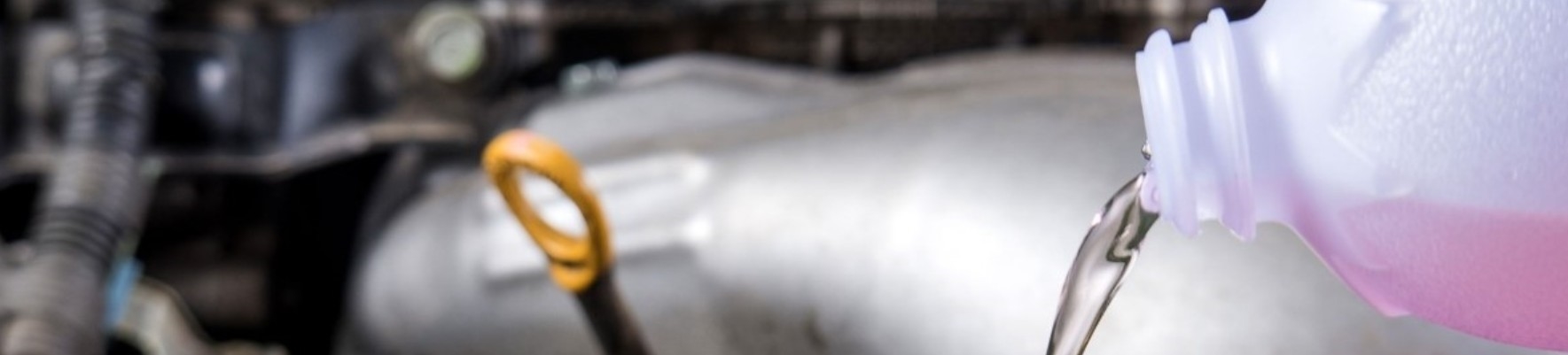
Comprehensive Coolant System Service in Tampa, FL
Your vehicle's cooling system works continuously to regulate engine temperature, prevent overheating, and protect critical internal components from heat-related damage. In Tampa's year-round heat and humidity, a properly maintained coolant system is especially important. At Westshore Mazda in Tampa, FL, our certified technicians provide professional coolant system inspections, flushes, and fluid replacements for all vehicle makes and models — keeping your engine running at the right temperature and protecting it from the wear and corrosion that degraded coolant accelerates over time.
Warning Signs Your Coolant System Needs Service
Your cooling system will typically give you warning before a serious problem develops — if you know what to look for. A rising temperature gauge or an illuminated coolant temperature warning light are the most urgent signals and require immediate attention to prevent engine overheating. Other common indicators include visible coolant leaks under the vehicle (often a bright green, orange, or pink fluid), a sweet or syrupy smell from the engine bay, a low coolant level in the reservoir, white smoke or steam from under the hood, or visible rust or discoloration in the coolant itself. Any of these symptoms should prompt a professional inspection before the problem worsens.
Coolant System Inspection
A thorough cooling system inspection is the foundation of effective coolant service. Our technicians examine every major component of the system — including the radiator, upper and lower radiator hoses, heater hoses, clamps, the water pump, thermostat, coolant reservoir, and radiator cap — checking for leaks, cracks, corrosion, and signs of wear. We also test coolant concentration and pH to determine whether the fluid is still providing adequate freeze and boil-over protection. This comprehensive approach ensures both visible damage and early-stage deterioration are identified before they lead to a breakdown.
Coolant Flush and Fluid Replacement
Coolant doesn't last forever. Over time, its corrosion inhibitors break down, its pH shifts, and it accumulates rust particles, scale, and contaminants that reduce heat transfer efficiency and accelerate corrosion of metal components throughout the system. A professional coolant flush removes all of the old fluid and built-up debris, cleans the system, and replaces it with fresh coolant of the correct type and concentration for your vehicle. Regular coolant flushes protect the radiator, water pump, heater core, and engine block from corrosion damage — extending the life of these expensive components significantly.
Cooling System Component Maintenance and Repair
Beyond fluid service, our team inspects and addresses the mechanical components that keep your cooling system functioning reliably. Radiator hoses and clamps that are cracked, swollen, or brittle are replaced before they fail. Water pump condition is evaluated for leaks or bearing wear that could lead to sudden coolant loss. Thermostat function is confirmed to ensure the engine reaches and maintains its proper operating temperature. Addressing these components proactively — rather than waiting for a failure — keeps your cooling system dependable and prevents the kind of sudden overheating that can cause severe engine damage.
Why Choose Our Service Center for Coolant System Service
Cooling system service requires the right coolant type, proper flushing procedures, and experienced technicians who can identify both obvious and subtle signs of system wear. At Westshore Mazda in Tampa, FL, our certified team services cooling systems on all vehicle makes and models using quality coolant that meets manufacturer specifications and proven procedures that protect your engine long-term. We provide transparent service recommendations based on your vehicle's actual condition — not a one-size-fits-all schedule — so you get the right service at the right time. Serving drivers throughout the Tampa area, we make it easy to keep your cooling system in peak condition year-round.
Frequently Asked Questions About Coolant System Service
How often should my coolant be flushed and replaced?
Most vehicles recommend a coolant flush every 30,000 to 60,000 miles, though some modern long-life coolants are rated for up to 100,000 miles. The correct interval depends on your vehicle's make, model, and the type of coolant used. Your owner's manual provides the manufacturer's recommendation, and our technicians can also test your current coolant condition to determine whether it's due for replacement.
Can low or degraded coolant cause engine damage?
Yes, and the damage can be severe. Low coolant reduces the system's ability to absorb and dissipate engine heat, leading to overheating that can warp cylinder heads, damage head gaskets, and in extreme cases cause catastrophic engine failure. Degraded coolant that has lost its corrosion inhibitors also causes internal rust and scale buildup that damages the radiator, water pump, and heater core over time.
What cooling system components do you inspect?
Our technicians inspect the radiator, upper and lower radiator hoses, heater hoses and clamps, water pump, thermostat, coolant reservoir, and radiator cap. We also test coolant concentration and pH to evaluate fluid condition. This full-system approach ensures both mechanical and fluid-related issues are identified during every service visit.
Do you service coolant systems on all vehicle makes and models?
Yes, our service center performs coolant system inspections, flushes, and repairs on all vehicle makes and models. We use the correct coolant type and concentration specified for each vehicle — an important detail, as using the wrong coolant can cause compatibility issues with seals and metal components.
What are the benefits of regular coolant system maintenance?
Regular coolant service prevents overheating, protects the radiator, water pump, heater core, and engine block from corrosion, maintains proper engine operating temperature for fuel efficiency and performance, and significantly extends the life of your cooling system components. It's one of the most cost-effective maintenance services available for protecting your engine investment.
Why is my temperature gauge rising even though I have coolant in the reservoir?
A rising temperature gauge with adequate coolant in the reservoir can indicate several issues — a failing thermostat that's stuck closed, a water pump that's not circulating coolant effectively, a partially blocked radiator, a blown head gasket allowing combustion gases into the cooling system, or a coolant leak that's not immediately visible. This symptom should be inspected promptly, as continued driving with an overheating engine risks serious damage.